
Your #1 Local Lawn and
Tree Care Provider614-808-4446
Maybe fall flew by before you could apply preventative fungicides. Or maybe your area typically doesn’t get snow, but surprise! There’s now a white blanket across your lawn. Whatever the case, there are still ways to help prevent snow mold after the first snow fall. It may just take a little more work.
If you’re not already familiar, snow mold is a type of fungi that affects cool-season grasses. Gray or pink straw-like patches appear on your lawn in the spring once the snow has melted. It’s more likely to happen if you receive a heavy snowfall before the ground freezes. Other factors that contribute to mold growth include:
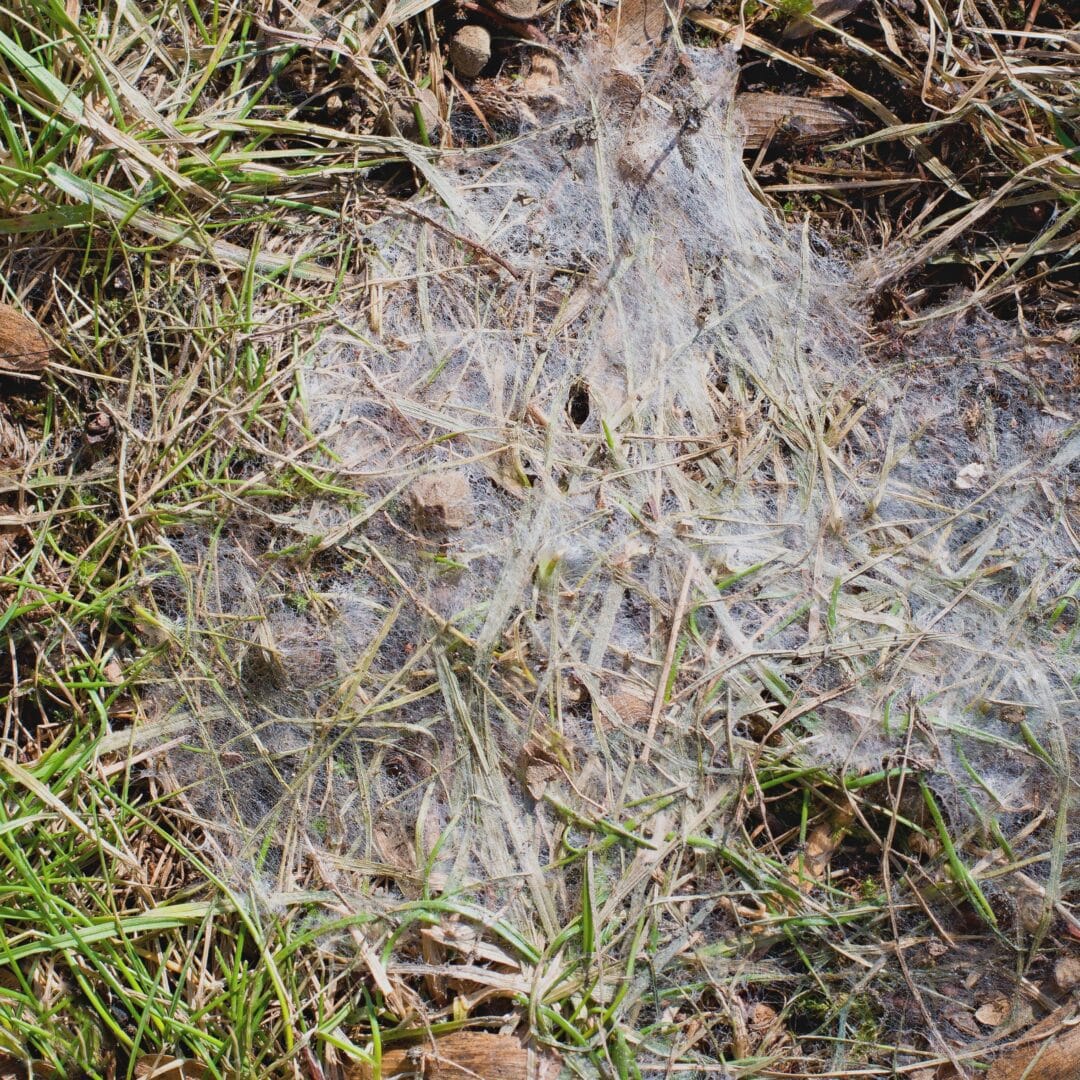
Gray snow mold usually only affects the grass blades, making it easier to treat. But pink snow mold can kill the crown and the grass roots, leaving more destruction. While there are ways to treat snow mold, preventing it is easier.
Whether you’ve dealt with snow mold before or just want to help your grass thrive over the winter, there are certain practices to consider in the late fall.
In a perfect world, you had time to fulfill all these lawn care tasks in the fall right before the grass went dormant and the snow fell. If you didn’t, there are still ways to help limit damage:
As with any preventative measure, there’s no guarantee your lawn is completely safe from snow mold. But there are ways to revive grass health.
If you didn’t get to all the preventative measures and find yourself faced with snow mold in the spring, there are ways to help heal your lawn. Fungicides may not be as effective after the fact, so try these chemical-free practices.
Now that you know how to prevent and treat snow mold, it gives your lawn a better chance of surviving the next snowy season.