
Your #1 Local Lawn and
Tree Care Provider614-808-4446
Grasses most commonly affected: Most types of grasses, including Ryegrasses, Annual Bluegrass, and Kentucky Bluegrass.
Snow mold, a fungal disease that attacks grass, comes in two varieties—pink and gray. Often occurring in late winter, it strikes when a layer of snow seals in heat and moisture beneath it, creating an ideal environment for fungal growth. Also known as microdochium patch or fusarium patch, pink snow mold (Microdochium nivale) tends to do more damage than its gray counterpart because it can destroy grass at the roots and crowns, not just the blades. And since it is capable of surviving unnoticed during the summer months, this disease can cause long-term harm to your lawn.
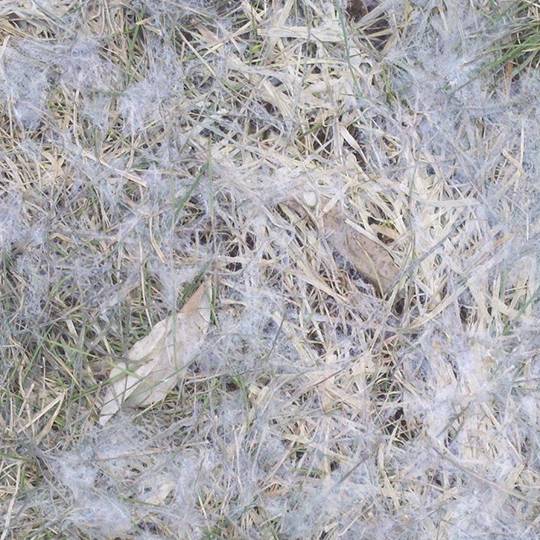
Damage from pink snow mold becomes visible in the spring as the snow melts. The affected areas appear as well-defined circular patches that can range from 3 to 12 inches in diameter, and the grass inside the circles is often matted with a coating of fungal growth, usually white to pink in color. As the weather warms, the diseased areas of grass will die, leaving behind unsightly brown patches.
Fungicide treatments may be needed to control pink snow mold on new lawns or if the lawn has had a history of mold infestations. Otherwise, there are some things that can help to keep your lawn mold-free:
Contact Cardinal Lawns today to discuss how to keep your lawn healthy, beautiful, and safe from pink snow mold.
Call Cardinal Lawns today at 614-808-4446 and let’s talk about how we can help treat for Pink Snow Mold and other common Ohio lawn diseases.